Purple Flower Embroidery Design
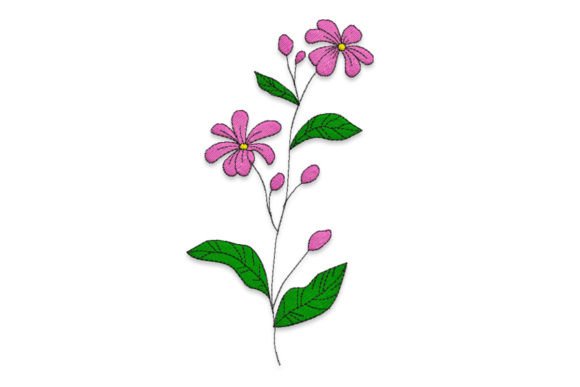
As an embroidery designer and product reviewer, I’ve evaluated countless machine embroidery designs, but few capture the quiet elegance of Purple Flower. This single flower design feels like a breath of calm in a world full of chaos. Its mystical hues and intricate petals make it ideal for projects that require subtle sophistication rather than bold statements.
The First Impression: A Quietly Captivating Design
From the moment I viewed Purple Flower, I noticed its calming visual personality. The shape is balanced, with a natural flow that suggests a real flower in bloom. The layout is clean, making it versatile enough for various applications without feeling cluttered. The level of detail is impressive—each petal has a soft curve, and the overall composition exudes serenity.
This design feels most at home on items that aim to evoke a sense of peace or refinement. It’s not the kind of design you’d use for a loud, attention-grabbing piece—it’s more about subtlety and grace. That makes it perfect for baby items, personalized gifts, or boutique merchandise where the focus is on quality over quantity.
Real-World Use: Where Purple Flower Shines
I tested Purple Flower on several common embroidery projects, including a custom tote bag, sweatshirt, and embroidered patch. In each case, the design maintained its integrity and visual appeal. On a tote bag, it added a touch of elegance without overwhelming the fabric. On a sweatshirt, it looked refined and professional, especially when paired with neutral thread colors.
For baby items, such as onesies or blankets, Purple Flower was a standout. Its soft lines and muted tones made it feel safe and soothing, which is essential for any item intended for infants. The design also worked well on aprons and kitchen towels, where it served as a gentle decorative element without being too busy.
One of my favorite uses was as a holiday embroidery project. Whether stitched onto a pillow cover or a small gift bag, it brought a sense of calm and beauty to seasonal decor. It’s the kind of design that can be used year-round, making it a valuable addition to any embroidery file collection.
Where to Be Cautious: Limitations and Considerations
While Purple Flower is a strong design, there are certain situations where it may not perform as well. For instance, on small hoop sizes, some of the finer details might get lost. If you’re working with a limited hoop space, consider simplifying the design or adjusting the scale to ensure clarity.
On textured fabrics or thin materials, the design may not show up as clearly. I found that on stretchy or dark fabrics, the contrast between the stitches and the background needed careful consideration. Using the right thread colors and stabilizer can help mitigate these issues, but it’s something to keep in mind during the planning phase.
When it comes to curved surfaces like caps or hats, the design may require some adjustment to fit properly. The corners of the flower might appear distorted if not carefully positioned. Similarly, in dense stitch areas, the design could become too heavy, so it’s important to review the stitch density before finalizing your project.
Impact on Visual Appeal and Customer Perception
Purple Flower has a strong visual appeal that can elevate any handmade product. Its elegant look adds value to custom apparel, embroidered patches, and personalized gifts. When customers see this design on a finished product, they often associate it with care, craftsmanship, and attention to detail.
For small business owners and Etsy sellers, this design can be a powerful tool for building brand consistency. It fits well into a cohesive aesthetic, especially for shops focused on nature-inspired or minimalist themes. The design also enhances the giftability of products, as it feels thoughtful and unique.
From a commercial perspective, Purple Flower is a reliable choice for embroidery projects that require a professional finish. It works well in printable mockups and digital product previews, giving clients a clear idea of what the final product will look like. This helps build trust and reduces the likelihood of miscommunication between designer and client.
Practical Designer Notes: Testing and Preparation
Before using Purple Flower in any project, I recommend testing it on scrap fabric. This allows you to see how the design looks in different thread colors and on various fabric types. Pay close attention to the stitch density—too much can make the design look bulky, while too little may result in a weak appearance.
Check the hoop size required for the design and make sure your embroidery machine can accommodate it. If the design is too large for your current setup, consider resizing it or using a different hoop configuration. Also, inspect the small details carefully, as some elements may not translate well to certain fabrics or stitching methods.
Testing the design in black and white mockups can help you assess its visibility and contrast against different backgrounds. Compare it on both light and dark fabrics to ensure it remains legible and visually appealing. Using the proper stabilizer is crucial, especially on delicate or stretchy materials.
Finally, confirm whether the design is suitable for both personal and commercial use. If you plan to sell finished items or digital products, check the licensing terms to avoid any legal issues. Purple Flower has the potential to be a valuable asset in your design portfolio, but it’s important to understand the rights and restrictions associated with it.
Final Thoughts: A Versatile and Thoughtful Design
Purple Flower is a design that rewards careful consideration. It’s not the kind of design that demands attention, but rather one that invites appreciation. Its quiet beauty makes it ideal for a wide range of embroidery projects, from custom apparel to holiday gifts and small shop merchandise.
As an experienced designer, I find that Purple Flower offers a balance of artistry and practicality. It’s a great choice for those looking to add a touch of elegance to their work without overcomplicating the process. Whether you're a hobbyist, a craft business owner, or a commercial embroiderer, this design has the potential to enhance your creative output and customer satisfaction.